Skip to content

How Texas Summer Heat Affects
Auto Glass Adhesives and Seals

 
Texas summers are tough on vehicles. Most drivers think about dead batteries, overheated engines, or worn-out tires, but there's another part of your vehicle that deals with the heat every single day: your auto glass.

At Vans Auto Glass in Grapevine, we often hear questions about whether extreme temperatures can affect a windshield after it's been replaced. The answer is yes, but not in the way most people expect.

The glass itself is built to handle changing temperatures. It's the materials that hold the glass in place that deserve just as much attention.
31

Auto Glass Depends on More Than the Glass


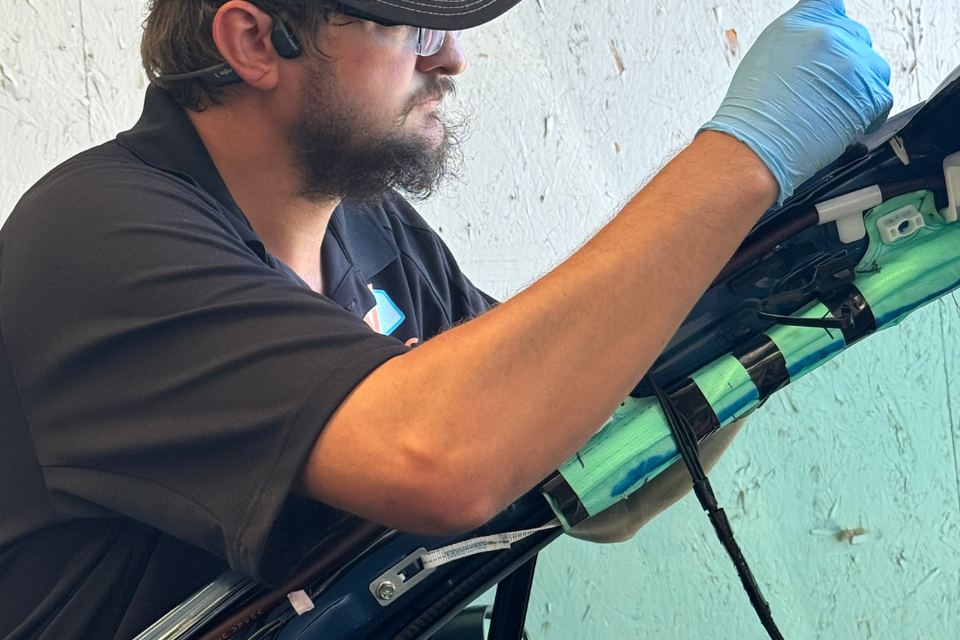
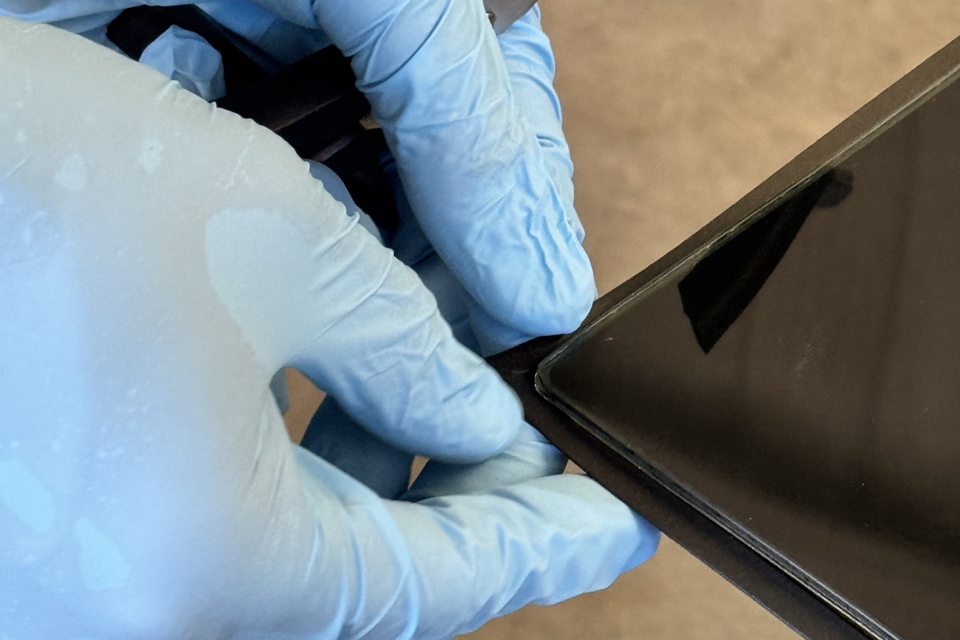
A windshield isn't simply pressed into a frame. It's bonded to the vehicle using a specialized automotive urethane adhesive.

This adhesive plays an important role in keeping the windshield securely attached to the vehicle while also helping maintain the structural integrity of the cabin.

Modern vehicles rely on this bond every time you drive.


Heat Speeds Up Material Aging


Every day your vehicle sits in a parking lot, the temperature around the glass rises far above the outside air temperature.

It's not unusual for surfaces around the windshield to become extremely hot during a North Texas summer.

Over time, constant exposure to heat, sunlight, and temperature changes naturally causes rubber moldings and weather seals to age. While these materials are designed to last for years, they don't last forever.

As they wear, they may become less flexible, making them more vulnerable to shrinking, cracking, or allowing moisture to find its way where it shouldn't.


Quality Installation Matters in Every Season


When a windshield is replaced, the adhesive requires time to cure properly before the vehicle is driven normally.

Professional installers follow manufacturer recommendations for adhesive selection and safe drive-away times because these products are designed to perform under a wide range of weather conditions.

Using the proper materials and allowing the adhesive to cure correctly helps ensure the windshield performs as intended long after installation is complete.
Vans i q1 blogs

Sudden Temperature Changes Can Create Stress


While Texas heat is intense, rapid temperature changes can also place stress on auto glass.
For example, blasting the air conditioner onto a windshield that's been baking in the sun can create a rapid shift in temperature across the glass.

Most windshields handle these changes without any issues, but if a chip or crack already exists, that existing damage may spread more quickly.

That's one reason small windshield chips are often easier and less expensive to address before they become larger cracks.


Watch for Changes Around Your Glass


Most drivers don't inspect their windshield until something looks wrong.

Occasionally taking a quick look around the edges of the glass can help you notice loose trim, damaged moldings, or signs that water may be getting where it shouldn't.

If you hear unusual wind noise after a windshield replacement or notice moisture inside the vehicle after rain, it's a good idea to have the glass inspected.

Addressing a small concern early can often prevent more extensive repairs later.


Protecting Your Vehicle Year-Round


No one can prevent Texas heat, but staying aware of how it affects your vehicle can help you avoid unexpected problems.

Parking in the shade when possible, repairing windshield chips promptly, and having damaged auto glass professionally replaced all help protect your vehicle for the long term.

At Vans Auto Glass, we provide windshield replacement, windshield repair, side window replacement, back glass replacement, and auto glass services for drivers throughout Grapevine, Southlake, Colleyville, Coppell, Bedford, Euless, Lewisville, Flower Mound, and nearby communities.

Whether you have questions about a recent windshield replacement or you've noticed damage after another hot Texas summer, we're here to help you keep your vehicle's glass in excellent condition.